Blessed are the Peacemakers: The Belfast Agreement
By George Hull
Editor, Pastoral Report - The Newsletter of the College of Pastoral Supervision & Psychotherapy
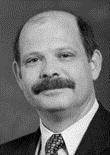
David Ervine
David Ervine was a crucial figure in the Northern Ireland peace process and played a significant role in the negotiations leading up to the Good Friday Agreement, which was signed on April 10, 1998. Ervine was the leader of the Progressive Unionist Party (PUP), a political party in Northern Ireland closely associated with the Ulster Volunteer Force (UVF), a loyalist paramilitary group. He was also a member of the Northern Ireland Assembly and served as a member of the multi-party talks that led to the Good Friday Agreement. Ervine was a strong advocate for peace and was instrumental in securing support for the agreement among loyalist communities in Northern Ireland.
Ervine's views on the peace process evolved over time, and he believed that violence was not the solution to the conflict in Northern Ireland. He was influenced by the work of other former paramilitaries who had also renounced violence and embraced politics to achieve change.
Ervine also recognized that most people in Northern Ireland were tired of the violence and wanted a peaceful resolution to the conflict. He believed that the peace process offered the best chance for a lasting peace and worked endlessly to promote the Good Friday Agreement and secure support among loyalist communities in Northern Ireland.
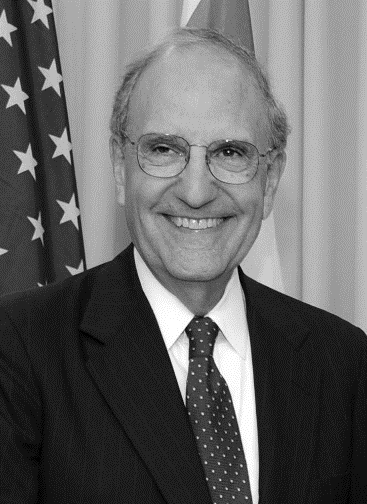
George Mitchell
As the chairman of the multi-party talks, US Senator George Mitchell played a vital role in bringing together the various parties involved in the conflict and facilitating the negotiations that resulted in the peace agreement.
Mitchell was known for his impartiality and his ability to build trust among the parties involved in the talks. He worked tirelessly to create an environment where the parties could engage in constructive dialogue and find common ground.
The Good Friday Agreement, also known as the Belfast Agreement, marked a significant milestone in the Northern Ireland peace process and has been credited with bringing an end to the violence that had plagued the province for decades. The agreement established a power-sharing government in Northern Ireland and a framework for peace and reconciliation between the Protestant and Catholic communities. The hard work and dedication of George Mitchell and others played a critical role in bringing about this historic agreement and in paving the way for the peace and stability that Northern Ireland has enjoyed since.
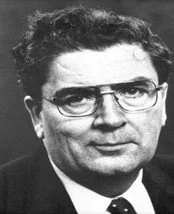
John Hume
John Hume was the leader of the Social Democratic and Labour Party (SDLP), a political party in Northern Ireland that represented the Catholic community and was committed to finding a peaceful resolution to the conflict.
Hume was a strong advocate for peace and was instrumental in building support for the peace process among the Catholic community in Northern Ireland. He worked closely with other political leaders and played a central role in the negotiations that led to the Good Friday Agreement.
In addition to his political work, Hume was also a co-recipient of the Nobel Peace Prize in 1998, along with David Trimble, for his efforts to resolve the conflict in Northern Ireland. Hume's contributions to the peace process were widely recognized, and he was hailed as a leading figure in the efforts to end the violence and to bring about lasting peace in Northern Ireland.
Throughout the conflict, church leaders from various denominations worked to promote peace and reconciliation and played a central role in building bridges between the Protestant and Catholic communities in Northern Ireland. Many church leaders also worked to support and assist those affected by the violence, and they played a vital role in bringing about an end to the conflict.
The contributions of church leaders and religious organizations were vital to the success of the peace process. They played a vital role in bringing about this historic agreement and in paving the way for the peace and stability, that for the most part, Northern Ireland has enjoyed since.
Several key lessons can be learned from the peace process that led to the Good Friday Agreement, signed on April 10, 1998.
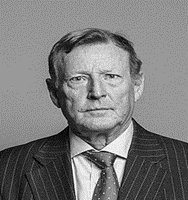
John Trimble
One key lesson is the importance of dialogue and negotiation in resolving conflicts. The Good Friday Agreement came about after years of negotiations and dialogue between the various parties involved in the conflict in Northern Ireland. This process required patience, persistence, and a willingness to listen to the perspectives and concerns of others.
Another lesson is the importance of leadership in bringing about change. The Good Friday Agreement would not have been possible without the leadership and vision of individuals like John Hume, David Trimble, David Ervine, and George Mitchell, who were able to bring the parties together and facilitate the negotiations that led to the peace agreement.
A third lesson is the necessity of building trust and finding common ground. The Good Friday Agreement was built on trust and goodwill, recognizing that both sides needed to agree on concessions to achieve enduring peace.
Finally, the peace process in Northern Ireland also demonstrates the importance of persistence and the need to keep working towards a resolution, even in the face of setbacks and challenges. The Good Friday Agreement resulted from years of effort and hard work. It was ultimately achieved through the dedication and perseverance of those committed to finding a peaceful resolution to the conflict.
Many of the lessons learned from the peace process in Northern Ireland may well be applied to the challenges faced in the United States and other countries worldwide.
One key lesson is the importance of dialogue and negotiation in resolving conflicts. In any situation, it is essential to be open to dialogue and willing to listen to the perspectives and concerns of others. By engaging in constructive dialogue, looking for, and finding common ground, it is often possible to find solutions to even the most challenging problems when no way seemed likely.
Another lesson is the importance of leadership in bringing about change. Effective leadership is crucial in any situation and can play a key role in bringing people together to facilitate the resolution of conflicts.
Competent leadership consists of the following:
strength that does not bully.
a caution that is not afraid to act boldly.
a vision of what is ahead that protects a community from too many bad surprises.
and perhaps most importantly of all, empathy for the weakest among us.
A third lesson is the importance of building trust and finding common ground. In any situation, it is vital to find ways to build trust and recognize that all parties involved need to make concessions to achieve a lasting solution. Bridges are designed to be crossed and burned.
Finally, the peace process in Northern Ireland also demonstrates the importance of persistence and the need to keep working towards a resolution, even in the face of setbacks and challenges. This lesson is essential because, in any situation, it can be all too easy to become discouraged and give up when faced with difficult, complex challenges. However, with persistence and determination, it is often possible to overcome even the most challenging obstacles and achieve a successful outcome, and that’s the bottom line.
George Mitchell “Hope and opportunity are essential to political stability and peace in every society. Whatever people’s differences, they want the same thing. They want to get their children off to a good start in life, they want to have a chance for a decent job, and so what is necessary in all of these conflict societies is to create a sense of hope, a vision, a possibility of the future. Without that hope, without that opportunity, peace is in peril everywhere.”