When Showing Up Really Matters: Listening Without Judgment
By George Hull
Editor, Pastoral Report - The Newsletter of the College of Pastoral Supervision & Psychotherapy
Suicide continues to be a profound public health challenge in the United States. In 2023, more than 49,000 Americans died by suicide, averaging one death every eleven minutes.
Suicide touches every community, though its impact falls unevenly across the population. Men die by suicide at significantly higher rates than women, while women more often report suicidal thoughts and survive suicide attempts. Age tells another story. Although suicide rates are highest among older adults, suicide remains one of the leading causes of death among those aged between 10 and 34. These patterns remind us that suicide is not a single problem with a single face; it is a human crisis that appears differently across the lifespan and within different communities.
Suicide is rarely the result of a single event or circumstance. More often, it occurs when a person's suffering becomes so overwhelming that all hope fades and the possibility of a different future seems impossible. Behind every suicide is a human story shaped by hopes, dreams, deep despair, and profound inner struggles that may remain largely unseen and difficult for others to fully understand.
Effective suicide prevention requires a broad, community-wide response. It is not only about responding in moments of crisis, but also about tending to the conditions in which hope can be sustained, reducing stigma, supporting emotional well-being, and ensuring broad access to mental health services. When communities strengthen relationships, teach practical coping skills, and create meaningful spaces of belonging, lives can be protected. Research consistently affirms that early support and authentic human connection can make a profound difference in reducing suicide risk.

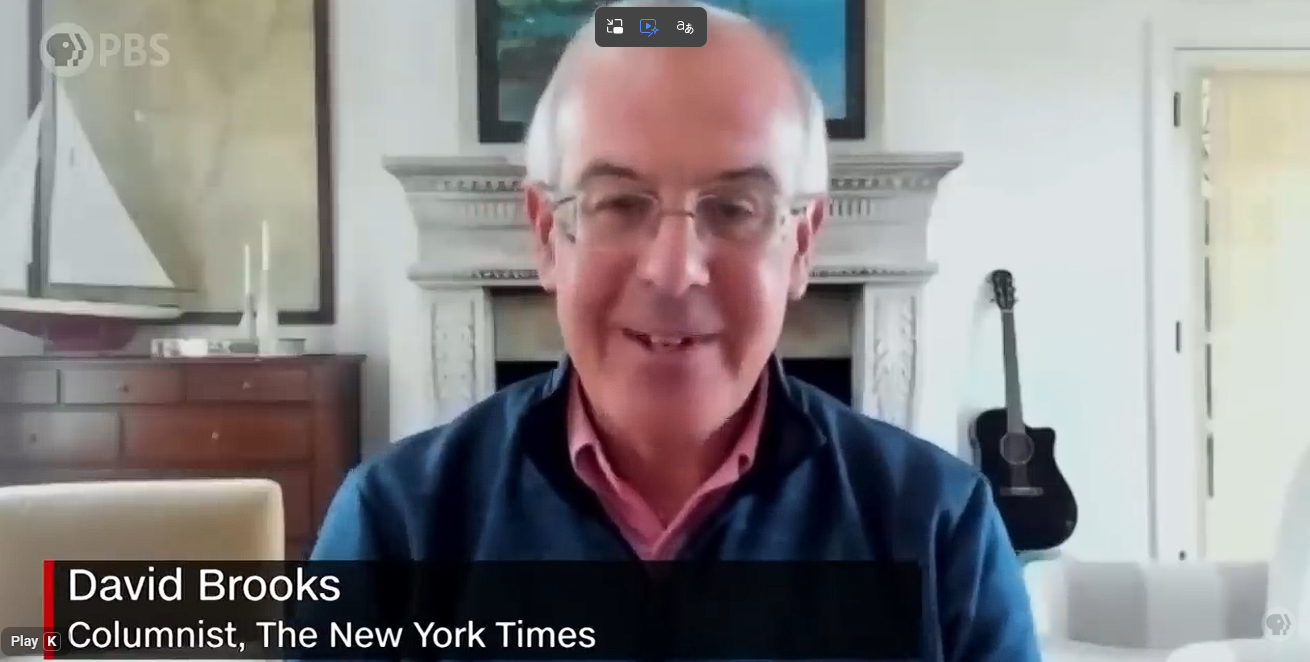
One writer who has reflected thoughtfully on how to respond to emotional suffering is journalist and author David Brooks. In his writings on relationships, community, and moral formation, Brooks argues that people are often transformed not through advice or problem-solving, but through being deeply seen, listened to, and accompanied. In discussing how to support a friend in crisis, several themes emerge:
Be present, listen, and resist the impulse to immediately ask “why.”
Individuals in distress often need someone willing to listen without judgment. Rather than rushing to provide answers or solutions, it is often more helpful to offer attentive presence, curiosity, and empathy.Encourage professional support.
Friends and family can provide important emotional support and connection, but they are not a substitute for professional care. Encouraging someone to connect with a therapist, physician, counselor, chaplain, or crisis service can be a vital step toward safety and well-being.Offer practical assistance.
Emotional distress is frequently intertwined with practical challenges. Helping with transportation, appointments, housing concerns, financial resources, or other concrete needs can reduce stress and increase a person’s sense of support.Remain connected.
People experiencing suicidal thoughts often feel isolated and alone. A simple phone call, text message, visit, or invitation can communicate that they matter and that they are not facing their struggles alone.Care for yourself as well.
Supporting someone in crisis can be emotionally demanding and, at times, overwhelming. Family members, friends, caregivers, and helping professionals should attend to their own well-being and seek support when needed.
Ultimately, suicide prevention begins with human connection. While professional treatment and crisis intervention are often essential, the willingness to remain present and attentive to another person’s suffering can make a profound difference.
Important link for further Information:
The National Alliance on Mental Illness (NAMI) is the nation’s largest grassroots mental health organization dedicated to building better lives for the millions of Americans affected by mental illness
The CPSP Pastoral Report is grateful to Amanpour and Company for this important conversation with David Brooks, titled "How Do You Serve a Friend in Despair? David Brooks on Loss & Suicide." The video can be viewed here: