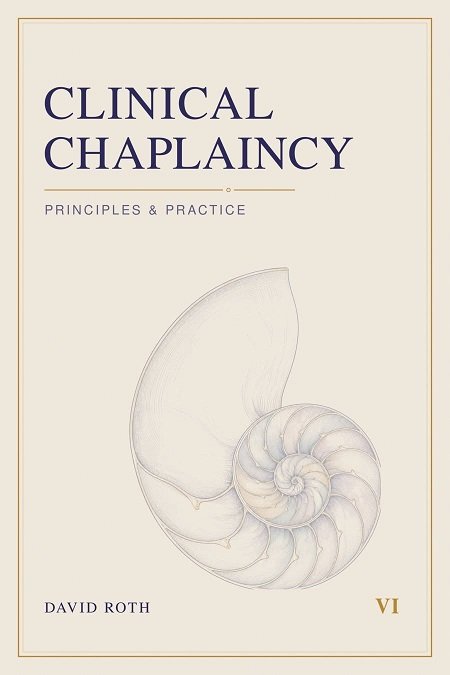
Roth, David: Clinical Chaplaincy: Principles & Practice:
Meaning, Affect, Relationship, and System in the Recovery of Soul
Verbum Icon, 2026
A Review of David’s Roth’s Clinical Chaplaincy: Principles & Practice by Dr. Robert Charles Powell
“Clinical chaplaincy stands at a threshold”
100 years after it was invented – yes, “invented” – by Anton Boisen. Roth’s concise but comprehensive and well-organized study of the field could not have been written by someone at the start of a career. Clinical Chaplaincy reads like there was a skeleton of a book early on that later got fleshed out – layer upon layer – over time – a lot of time. This grasp of the field – its strengths, weaknesses, and potentials – must have incubated in Roth’s mind for decades. This book reads like it was written – and re-written – and re-re-written – until there were no extra words – and until each word stood there for a reason.
“The future of chaplaincy depends on clarity of capability.”
It could be said that Roth is encouraging clinical chaplains – on many levels – not to jump toward conclusions about what really is going on in a situation and what needs to be done. Roth, path by path, leads the reader into a disciplined approach for experiencing the elegant complexities behind how a patient’s inner world – and the chaplain’s inner world – fit within the patient’s outer world and the chaplain’s outer world. Clear recognition of the involved tasks, roles, authorities, boundaries, and souls stands essential.
“Meaning, Affect, Relationships, and System.”
Roth views opening up – rather than closing down – understandings about what really is going on – or not going on – and what really needs to be done – or not to be done – as integral to ministering clinically. Listening, thinking – close listening, discussing – closer listening, introspecting – and connecting – all are required. Sustained pondering in the short run might make all the difference in the long run – for both chaplain and patient.
These lessons about the principles and the practice of clinical chaplaincy are not be learned from one book or one course – although participating in serious communities of tolerant and encouraging – nurturing – supervision – that support continuing self-evaluation – might move transformative learning along. Roth admires hills and valleys – nooks and crannies – of the territory that you might not have known were there. This short book pulls a lot of insights together – and most likely will prompt new thinking. Dive in! Give the experience of reading Clinical Chaplaincy a try!
Clinical Chaplaincy: Principles and Practice is due for publication on Sept 1, 2026.
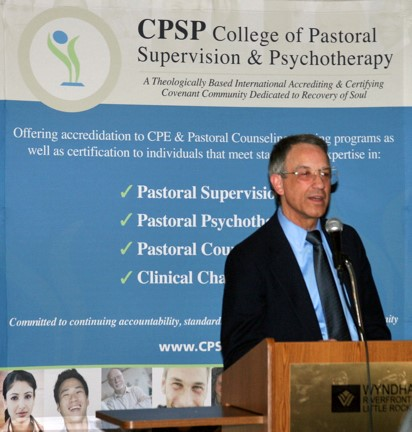
Robert Charles Powell, author of Healing and Wholeness … (1974), stumbled into the world of clinical chaplaincy in 1969 – writing major studies in 1975 (two), 1976, 1977, 1999 (two), 2005, 2012, and 2025 – plus expanded editions along the way. His short studies include “Discerning Spirituality in Everyday Life – and Allowing Oneself to Be Transformed” (2008),” and “Shedding Light on the Unknown – Without Presuming to Exhaust Its Meaning” (2013). He is working on a greatly expanded edition of Listening Closely to Patients … (2021). www.RobertCharlesPowell.com