Fall 2026 National Clinical Training Seminar Recap
November 2, 2026
Loyola Retreat Center, Morristown, NJ

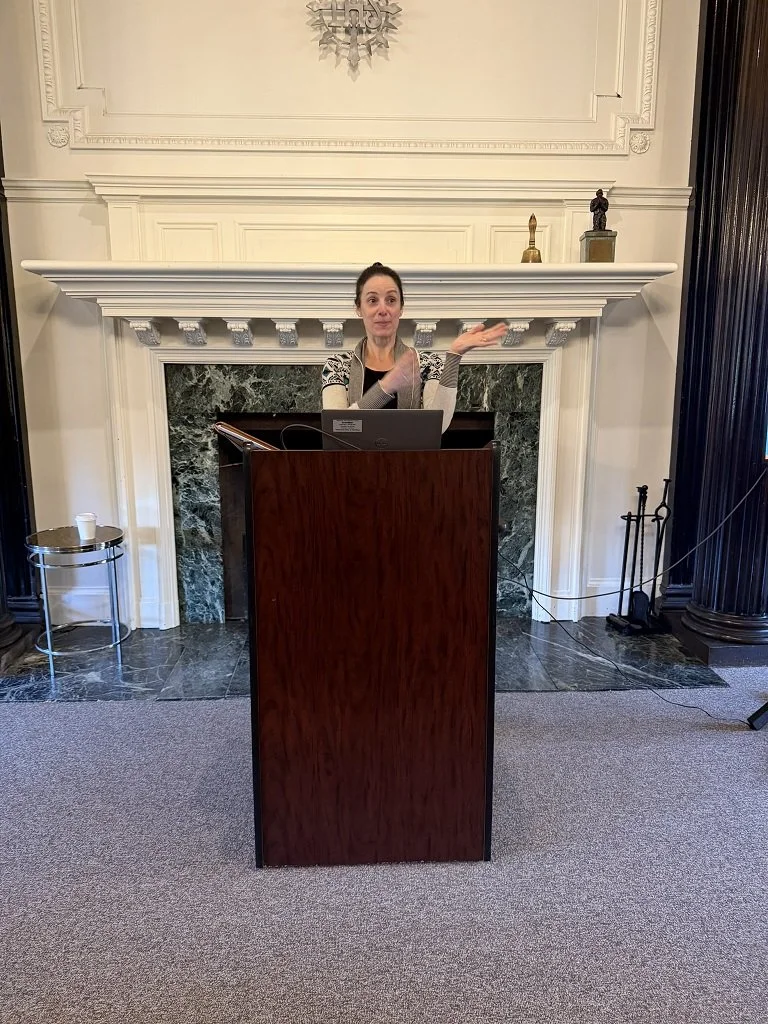
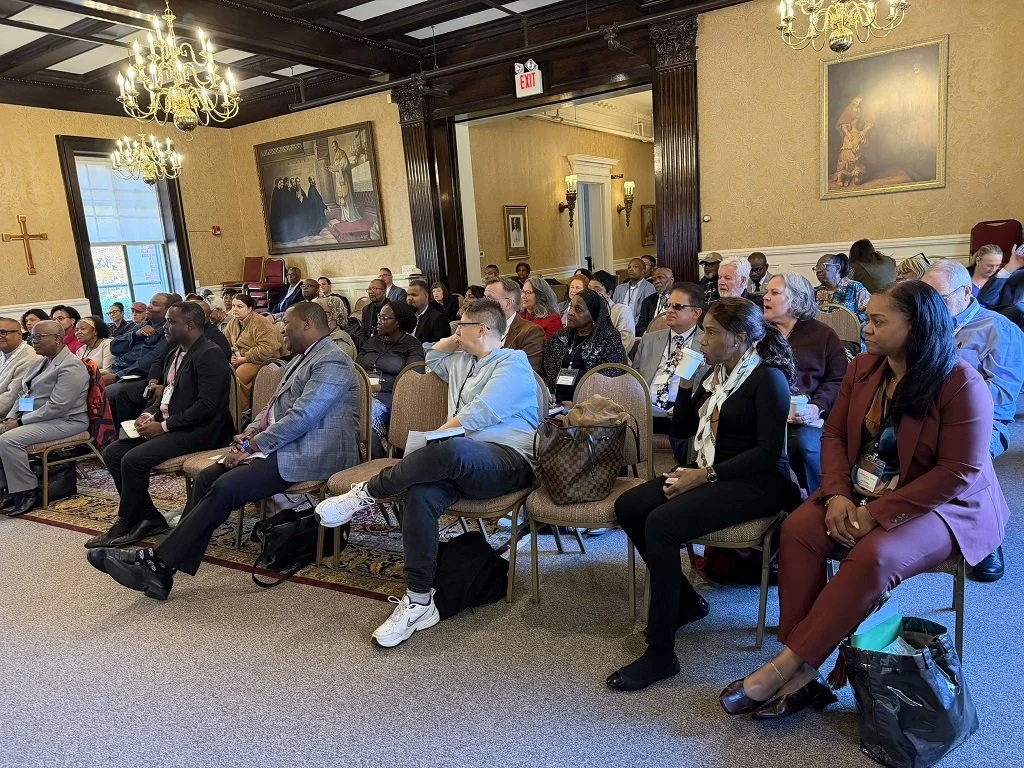
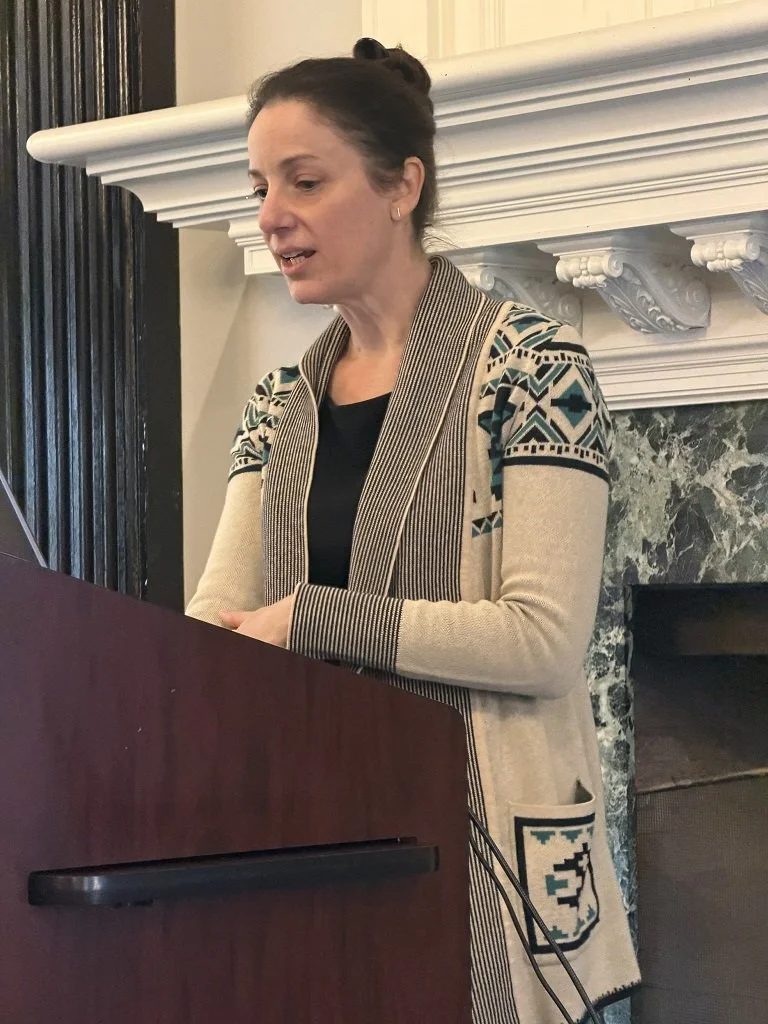
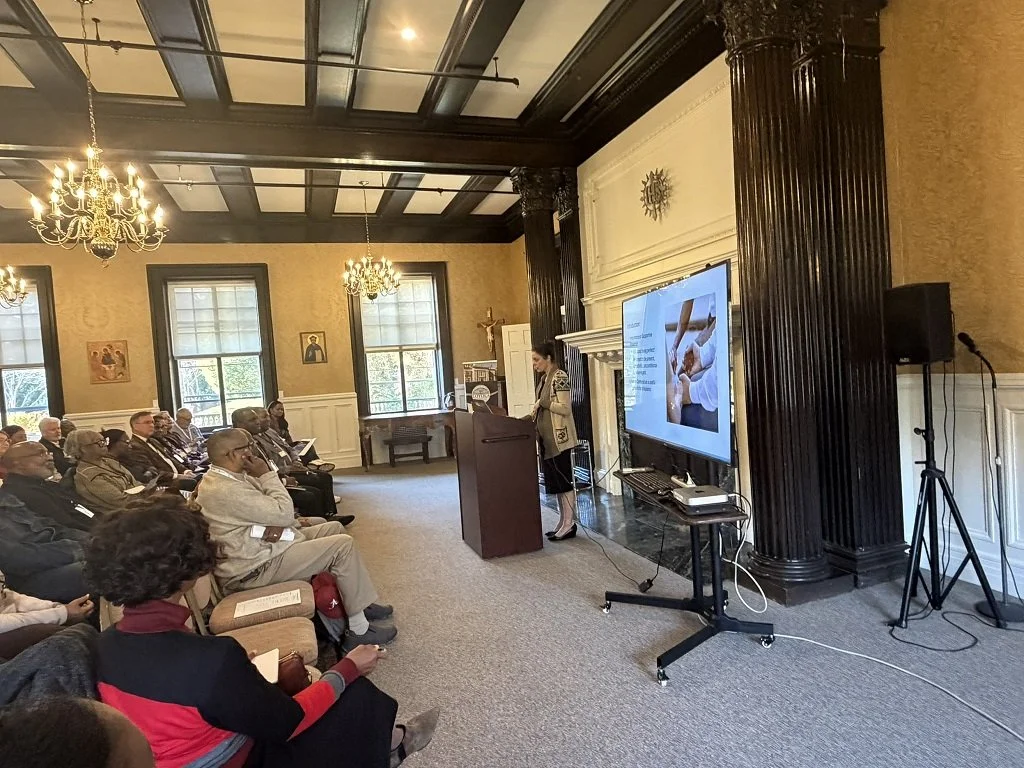
This fall’s NCTS featured speaker, Dr. Rebecca R. Kulzer, and focused on the theme of Embodying the Divine in Pastoral Care: A Person-Centered Approach to Presence, Practice, and Supervision. Following Dr. Kulzer’s speech and a group discussion, attendees spent the day in small group seminars, presenting and receiving feedback on their clinical materials. Continue reading below for reflections from two attendees, Dr. Vernon Shelton and Angela Wei.
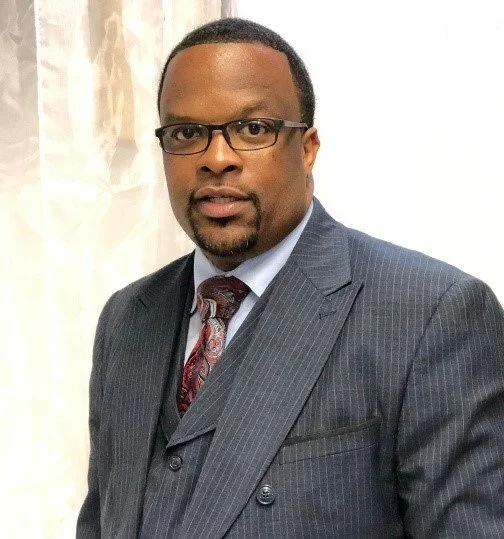
From Dr. Vernon Shelton:
This year’s NCTS was a meaningful and enriching experience. I particularly appreciated the morning presentation by Dr. Rebecca R. Kulzer, entitled Embodying the Divine in Pastoral Care: A Person-Centered Approach to Presence, Patience, and Supervision.
One of the most powerful takeaways for me was her emphasis on the importance of learning to accept ourselves and modeling what it means to be okay with not being okay. This really resonated with me because, as chaplains and educators, we often find ourselves creating safe spaces for others to be vulnerable while sometimes struggling to extend that same grace to ourselves. Her presentation reminded me that authenticity and self-acceptance are essential to effective pastoral care and supervision.
I also thoroughly enjoyed the small-group sessions. I had the opportunity to facilitate a group of chaplains as they presented and reflected on their work. It was rewarding to listen to their experiences, engage in meaningful dialogue, and witness the learning that takes place when we create space for honest reflection. Overall, the session reinforced for me that effective pastoral care is not about having all the answers or always having it together, but about accepting our own humanity, and extending that same grace to others.
From Angela Chun Ling Wei:
The National Clinical Training Seminar (NCTS) was a meaningful day of learning, reflection, and fellowship. I appreciated the organizers' thoughtful attention to detail, from the clear pre-event instructions, venue photograph, and detailed schedule to the smooth arrangements on the day itself. The welcoming atmosphere and enjoyable lunch also provided opportunities for informal conversation and connection.
The morning program featured a keynote presentation by Dr. Rebecca R. Kulzer, Embodying the Divine in Pastoral Care: A Person-Centered Approach to Presence, Practice, and Supervision. Drawing on Carl Rogers' person-centered approach, the presentation offered valuable insights into empathy, authenticity, and unconditional positive regard. I particularly appreciated the discussion of authenticity, which reminded me of Francine Hernandez's The Use of Self in Pastoral Care. It brought to mind the importance of journeying inward before accompanying others, recognizing how our own histories, unresolved experiences, and blind spots may shape our pastoral presence. This connection gave me another way to consider authenticity—not simply as being genuine or less guarded, but as a continuing commitment to self-awareness and personal growth. The emphasis on empathy and unconditional positive regard also offered an opportunity to revisit familiar principles with greater attention to how they are embodied in actual pastoral encounters. At the same time, I was especially intrigued by the beautiful and compelling theme of “embodying the Divine.” While the presentation offered a rich exploration of the psychological and therapeutic dimensions of person-centered care, particularly listening and empathic presence, I would have welcomed further discussion of how these principles connect with the distinctive spiritual and theological dimensions of chaplaincy, including meaning-making, spiritual exploration, and engagement with the sacred. How might authenticity and empathic presence become expressions of the Divine in our encounters? Given the richness of the material, more time for questions, dialogue, and shared reflection would have been especially valuable. I appreciated the keynote for both the insights it offered and the opportunity it created to think more deeply about the relationship between person-centered care and spiritual presence.
The afternoon program brought us into nine small groups, thoughtfully arranged so that participants could engage with chaplains outside their regular CPE cohorts. Each group discussed case studies prepared by its members. For me, this was one of the most rewarding experiences of the day. Being immersed in conversations with so many experienced and well-trained chaplains was both stimulating and humbling. The observations and feedback on my case study revealed blind spots I had not previously recognized, not only in my pastoral approach but also in how I understand myself as a person and a chaplain. I especially valued the opportunity to receive feedback from chaplains who had not been part of my regular cohort. While my cohort members have come to know me over several weeks, these new colleagues approached my case with fresh eyes, bringing different experiences, therapeutic insights, and understandings of chaplaincy presence. The lively discussions, thoughtful exchanges, and occasional friendly debates made the experience especially valuable.
One insight from the afternoon has stayed with me. As someone with a task-oriented personality, I tend to set goals and work toward a deeper spiritual assessment. Sometimes, however, I become so focused on exploration that I overlook the power of simply waiting and staying present. I was reminded of Stephen Faller's metaphor of spiritual midwifery in The Art of Spiritual Midwifery. A midwife brings knowledge, experience, and the ability to respond when needed, yet recognizes that the mother remains at the center of the birthing process. This image helped me reconsider the balance between actively facilitating spiritual exploration and allowing the patient's own process of discovery to unfold. My eagerness to understand and move toward meaningful insight can sometimes lead me to move ahead of the person I am accompanying. Perhaps the challenge is not to abandon purposeful questioning or spiritual assessment, but to become more attentive to when to explore, when to wait, and when simply to remain present. The patient's own strength, agency, and capacity for meaning-making remain central throughout the encounter.
Looking back, I am grateful not only for the knowledge and experience shared throughout the seminar but also for the opportunity to examine my own assumptions and habits in pastoral care. The morning keynote encouraged me to consider the inner work involved in bringing my authentic self into pastoral encounters, while the afternoon discussions helped me recognize how my own tendencies may shape those encounters in ways I had not fully appreciated. In this sense, the day's experiences were closely connected: the importance of knowing oneself became more concrete through the feedback and insights of others. I left with a question that I hope to carry into future pastoral visits: when is it time to explore more deeply, and when is it time simply to stay, wait, and trust?