What Happens in the Margin: A Chaplain’s Reflection on Freedom, Formation, and Presence
By: Asnel Valcin, Psy.D.; BCCC, RRT
Director of Pastoral Care at Episcopal Health Services, Inc.
CPSP Diplomate: Clinical Pastoral Supervision
Inspiration and Context
This reflection originated from a memorable comment I received years ago while participating in my supervisory process with Stephen Faller. His words resonated deeply with me and later, he expanded upon this initial insight, ultimately publishing a related poem in his book: Confessions of a Circuit Rider. This experience has continued to shape my understanding of presence and the formation of chaplains within the margins of institutional life.
“The wardens and the guards with their towers and their yards do not like what happens in the margin.” 1
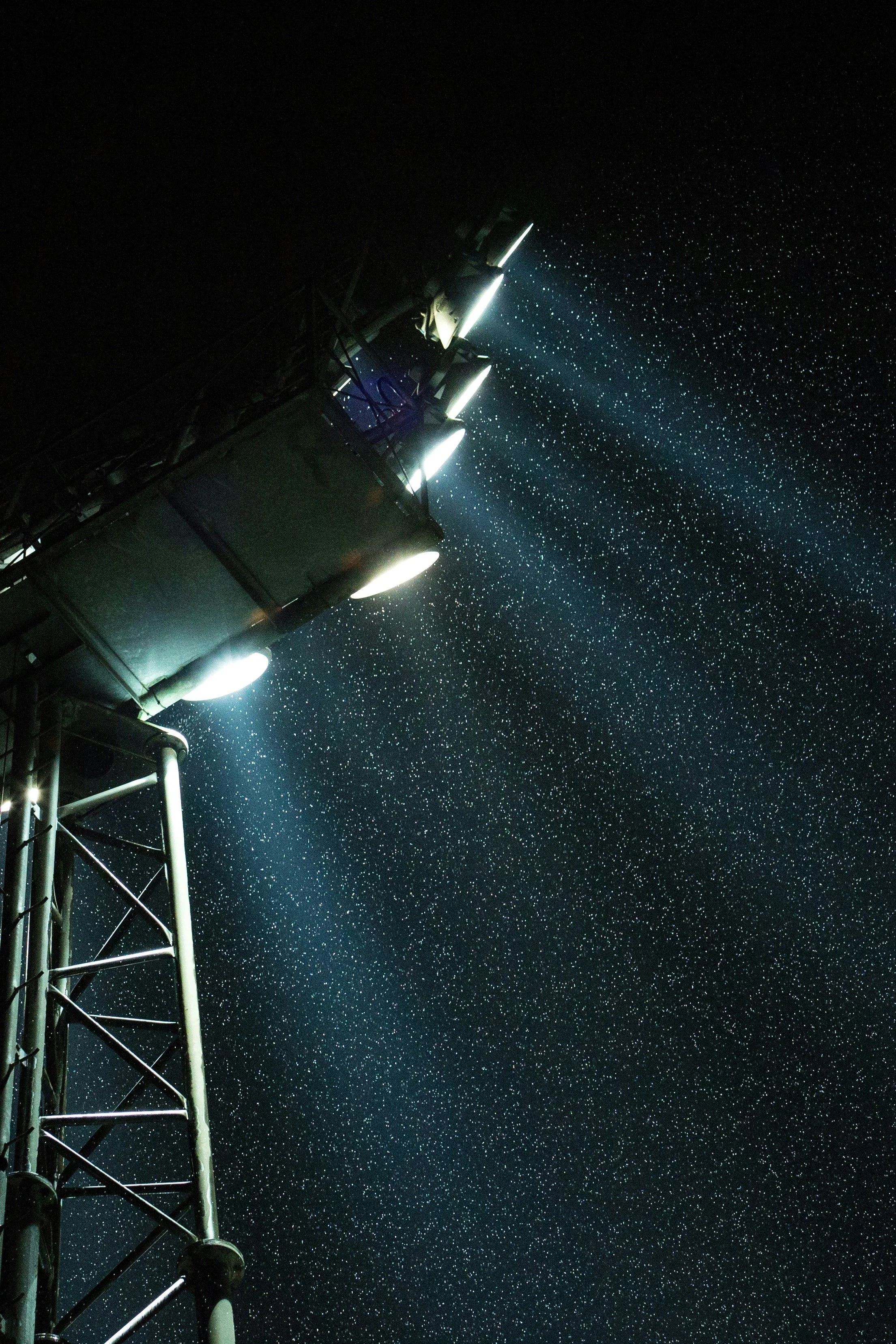
Clinical Pastoral Education unfolds within institutions: hospitals governed by protocols, documentation, performance metrics, and watchful towers. These structures are necessary. They preserve order, safety, and continuity of care. Yet, CPE does not form chaplains primarily in the tower or the yard, nor under the glare of the floodlight or the scrutiny of the spotlight. It forms them in the margin.
The margin is where institutional authority weakens, where visibility fades, and where the self, no longer performing begins to speak. And this is precisely why the wardens do not like it.
“Floodlights may break the night.
Spotlights may burn with spite.
But the margin resists exposure.
It cannot be fully supervised.” 2
Boisen: Described “The Living Human Document” and the Marginal Self
The chaplain, too, is a living human document.
In the margin, the trainee begins to read their own text: their anxieties, projections, identifications, and unresolved griefs. This reading cannot occur under constant evaluation. It requires space where the self is not immediately corrected, spiritualized, or defended.
“The margin is my own,
this old dog his bone,
and in it, I but my God am alone.” 4
Boisen understood breakdowns not merely as pathology but as crises of meaning. Likewise, the marginal spaces of CPE: late-night reflections, verbatim afterthoughts, unspoken reactions, become sites where meaning reorganizes. Here, the chaplain does not manage experience; they interpret it. The institution may fear what emerges there, but Boisen would insist: this is where formation begins.
Winnicott would say: The Margin is a Transitional Space
Institutions demand compliance. They reward the false self, the self that adapts, performs, and survives. But the false self cannot sustain pastoral presence.
The margin allows the true self to breathe.
In CPE, this occurs when trainees risk saying what they actually feel, not what sounds pastoral. When they stop borrowing the supervisor’s voice and begin to find their own. When they discover that presence flows not from technique, but from authenticity.
first I see
that which is mine is me.” 6
Winnicott would say that freedom is not the absence of structure but the presence of a holding environment that permits play. Good supervision does not eliminate the margin; it holds it. When supervision becomes overly controlling, the margin collapses, and with it, creativity, spontaneity, and genuine care.
The wardens prefer order. Formation requires play.
Pruyser: Would describe The Margin and the Sacred World
Paul Pruyser warned that religious professionals often confuse institutional reality with the sacred world. The sacred world, he argued, is symbolic, imaginative, and deeply personal. It cannot survive relentless rationalization or surveillance.
The margin is where the sacred world remains intact.
meant for Thine,
in the margin be.” 7
Under floodlights, faith becomes functional. Under spotlights, it becomes performative. But in the margin, faith is reclaimed as relationship rather than role.
Pruyser would remind the chaplain that God is not encountered primarily through institutional correctness, but through symbol, longing, and meaning. The margin protects the soul from becoming a tool of the system.
Here, prayer is not impressive.
Here, God is not explained.
Here, the chaplain is human before being helpful.
Why the Wardens Resist the Margin
Institutions are built to manage risk. The margin introduces unpredictability:
self-awareness that cannot be standardized,
insights that challenge authority,
spiritual experiences that resist measurement.
Yet without the margin, CPE devolves into training technicians rather than forming pastors.
The margin produces chaplains who:
can tolerate ambiguity,
recognize countertransference,
remain present without control,
and stand before suffering without collapsing or dominating.
This is precisely why the margin must be protected, named, and honored in CPE.
A Word to Trainees
Ask yourself:
Where am I functioning under floodlights?
Where am I performing a false self for approval?
Where do I allow myself to enter the margin?
Do not confuse the margin with avoidance or secrecy. The margin is not where learning hides; it is where learning incubates.
The wardens and the guards may never like what happens there.
But Boisen would say it is where meaning is made.
Winnicott would say it is where the true self emerges.
Pruyser would say it is where the sacred world survives.
And CPE, at its best, depends on all three.
Supervision, verbatims, and group process are not meant to eliminate the margin. They are meant to protect it to ensure that what happens there becomes integrated rather than hidden.
Footnotes
1 Faller, S. (2023). p 30.
2 Ibid.
3 Boisen, A. T. (1934).
4 Faller, S. (2023). p 30.
5 Winnicott, D.W. (1965).
6 Faller, S. (2023). p 30.
7 Ibid.
References
Boisen, A, T. (1934). Out of the Depths. Harper
Faller, S. (2023), Confessions of a Circuit Rider: A Marginal Chaplain's Apocalyptic and Disjointed Journal.
Pruyser, P. W. (1976). The Minister as Diagnostician: Personal Problems in Pastoral Perspective. Westminster John Knox Press.
Winnicott, D.W. (1965) The Maturational Processes and the Facilitating Environment.