The College of Pastoral Supervision & Psychotherapy: A Community in Covenant
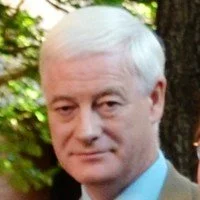
By George Hull
Editor, Pastoral Report - The Newsletter of the College of Pastoral Supervision & Psychotherapy

"It was the best of times, it was the worst of times, it was the age of wisdom, it was the age of foolishness…" Charles Dickens
From the very beginning, in March 1990, the College of Pastoral Supervision and Psychotherapy has seen itself not just as an organization of professionals taking control of their own professional destiny, but as a covenant community. As Dickens’ words suggest, the life of a community is always complex and filled with both challenges and opportunities, a reality CPSP knows well. While CPSP accredits clinical pastoral education and psychotherapy training programs and certifies diplomates, including board certification for clinically trained chaplains and pastoral counselors, these roles only tell part of the CPSP story. At its heart, CPSP is a relational, theological, and deeply human community, bound together by covenant and the shared commitment to walk, learn, and grow together as a community of spiritual pilgrims.
Covenant is not a contract. It cannot be reduced to compliance, credentialing, or procedure. It is relational, moral, and theological. Covenant binds us to one another not through hierarchy or enforcement, but through promise, shared responsibility, and the courage to speak truthfully and to be addressed in turn. From the start, CPSP referred to its members as spiritual pilgrims, unfinished, searching, open to creativity and possibility. Professional authority and formation are inseparable here; our commitments are “first and last theological,” calling us to engage deeply with love, power, justice, and grace, in our work and in our relationships with one another.
This relational vision is embodied in CPSP chapter life, one of CPSP’s most distinctive features. Chapters are not administrative units; they are small, intentional communities where authority, responsibility, and discernment are held close to lived experience. Decisions that other organizations manage through centralized governance are entrusted to Chapters, allowing supervision, teaching, and counseling to be guided within relationships that know the person, their work, and their context.
The Covenant also names what we must guard against: invasiveness, aggression, or predation, even within the helping professions. “Life is best lived by grace,” and so CPSP insists on boundaries, consent, and respect. Individuals are always more important than institutions, and even CPSP itself must be monitored carefully to avoid idolatry. Central to this understanding is the self-critical faculty, the capacity for honest reflection, discernment, and accountability that enables each of us to engage responsibly within community.
The commitment to “travel light”, to own no property, accumulate no wealth, and avoid bureaucracy, is a practical expression of this theological stance, valuing relationship and purpose over permanence or expansion. Yet the temptation is always near at hand, and the drive to control is ever present; vigilance, humility, and shared accountability are required to ensure that our practices remain faithful to our covenant rather than to ego or institutional self-interest.
To belong to CPSP is to enter a covenantal commitment, to be shaped by one another, to risk being known, and to walk together with courage, grace, and mutual accountability. Since 1990, this commitment has made CPSP not merely a professional organization, but a living, relational, theological community.
May this reminder call us back to the courage, presence, and grace that covenant demands, sustaining the shared life we hold so deeply.